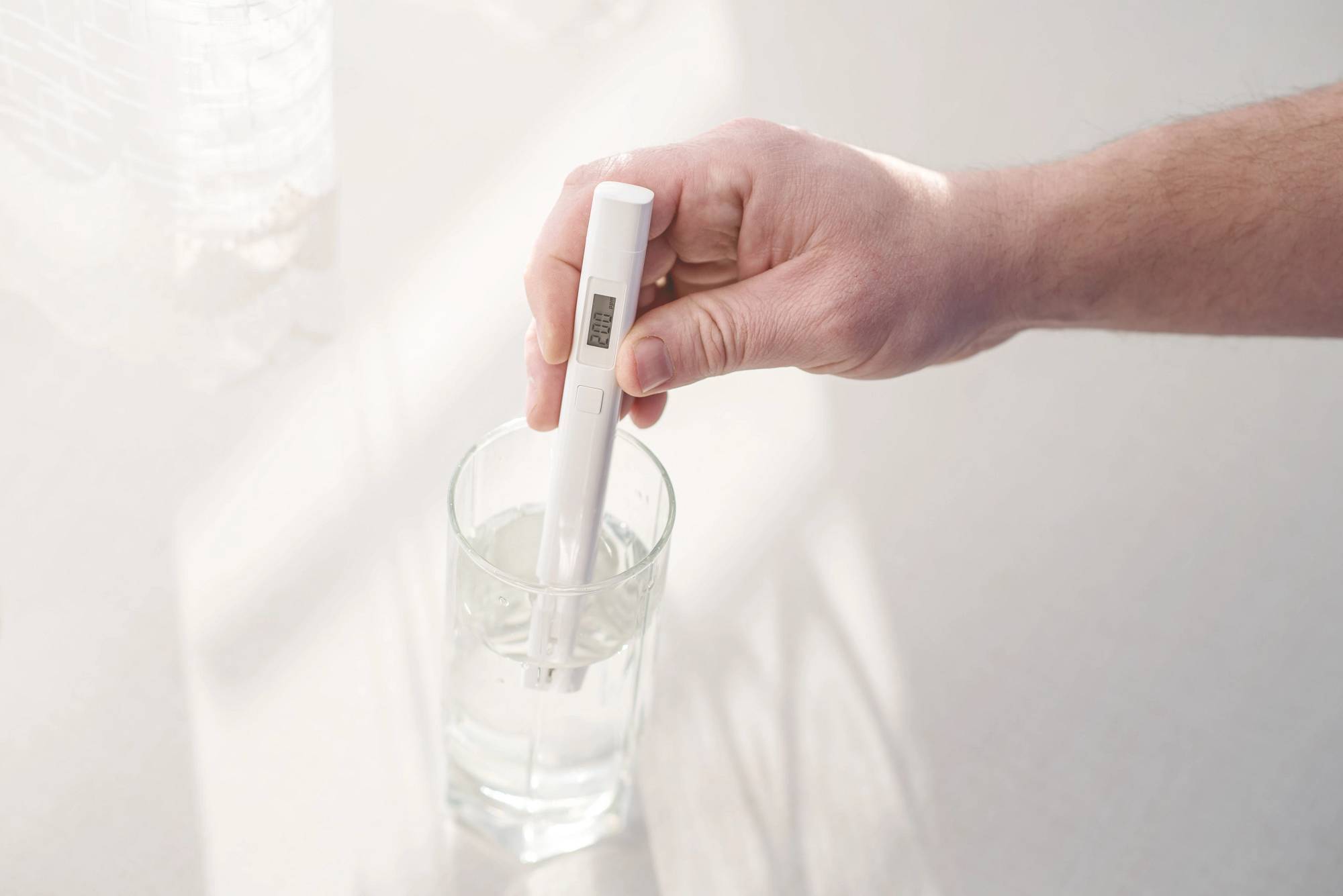
Importance of Private Well Testing

Nearly 43 million Americans rely on private wells for their drinking water, yet most of these wells are never tested regularly. Unlike municipal systems, which must meet EPA standards, private wells are the owner’s responsibility.

There is no automatic monitoring or enforcement to ensure your water is safe.

Health Risks of Contaminated Water

Over time, these pollutants can cause serious health issues, including:

Recommended Testing Schedule

The EPA and most state agencies recommend:

Why Test Records Matter

Well test records are important for:

Why Wells Are Unregulated in Most States?

One of the biggest misconceptions about drinking water is that all sources are regulated. In reality, private wells fall outside the EPA’s Safe Drinking Water Act. The law applies only to public systems that serve at least 15 connections or 25 people. As a result, wells that supply a single household remain largely unmonitored.

Responsibility for private well oversight is left to individual states, and regulations vary widely. Some states, like New Jersey and Minnesota, require water testing during property sales or well construction. Others have no testing laws at all, leaving safety entirely up to homeowners.

The lack of regulation doesn’t mean wells are unsafe  but it does mean owners must be informed and proactive. Without consistent inspection, even small issues like faulty seals, aging casings, or septic leaks can lead to contamination.

Local health departments and extension services can provide guidance on recommended testing panels and help interpret results. In many rural areas, grants or low-cost testing programs are available through environmental agencies or universities.

Understanding that private wells operate outside federal regulation is key to protecting your household’s water quality. Ultimately, your well’s safety is your responsibility  and regular testing is the best defense.

Typical Risks for Rural Homeowners

Rural homeowners who depend on private wells face unique water quality challenges. Unlike urban systems with treatment plants, rural wells draw directly from groundwater aquifers, which can be affected by nearby land use, soil conditions, and aging infrastructure.

The most common risks include nitrate contamination from fertilizers, bacteria from septic systems or animal waste, and naturally occurring metals such as arsenic, manganese, and iron. These pollutants can enter groundwater through leaching or runoff, particularly after heavy rain or flooding.

Because many rural properties are located near farms or old industrial sites, chemical contamination  including PFAS and volatile organic compounds (VOCs)  is also a growing concern. These substances can persist in the environment for decades, moving slowly through soil into well water.

Another risk comes from poor maintenance. Cracked well caps, corroded casings, and improper sealing allow surface water and debris to enter the well shaft. Once inside, bacteria can multiply and spread throughout the system.

For rural homeowners, prevention starts with routine inspections and testing. Wells should be checked annually for bacterial and nitrate contamination and professionally evaluated every few years. Installing a sanitary well cap, maintaining distance from septic fields, and avoiding hazardous waste dumping can all help prevent costly issues.

In short, while private wells provide independence and clean water access, rural living demands vigilance. With regular monitoring and responsible land practices, well owners can ensure safe water for generations.

FAQs

Blog