
10 Essential Well Water Tests Every Homeowner Should Perform Annually
Owning a private well provides a rewarding sense of independence and a direct connection to the local environment. However, it also makes the homeowner primarily responsible for maintaining water quality. Unlike Municipal drinking water testing in Brooklyn, which supports the monitoring of public water supplies, private well testing focuses on conditions within the local aquifer and the structural integrity of the well.
For many homeowners, the faucet is the final point of consideration, but the safety of your supply depends on what happens beneath the surface. To ensure your household remains protected, establishing a consistent testing schedule is the most effective way to identify potential issues before they become health hazards or costly plumbing problems.
Here are 10 essential well water tests every homeowner should conduct annually to keep their water clear, clean, and safe.
1. Total Coliform Bacteria
If there is one test that should never be skipped, it is the screening for total coliform bacteria. Coliforms are a broad class of bacteria that are naturally present in the environment. While most are harmless, their presence in your well is a major red flag. They often serve as an indicator that the surface water—and potentially pathogens like E. coli—has infiltrated your well system. Annual testing is vital because a positive result suggests a breach in your well cap, a cracked casing, or a failure in the ground seal.
2. Nitrate Levels
Nitrates are common contaminants, particularly in areas with heavy agricultural activity, dense livestock populations, or aging septic systems. For households with infants or pregnant individuals, nitrate levels are a significant health concern, as they can interfere with the blood’s ability to transport oxygen. Because nitrates are colorless, odorless, and tasteless, you cannot detect them without laboratory analysis. If you live near farmland, private wells are particularly susceptible, making this test a non-negotiable yearly task.
3. pH Balance
Water that is too acidic or too alkaline can wreak havoc on your plumbing. Acidic water (low pH) is corrosive and can leach copper, lead, and other heavy metals from your household pipes into your drinking water. Conversely, high pH levels can lead to scale buildup, which reduces the efficiency of your water heater and clogs fixtures. Testing the pH annually helps you determine if a neutralizer or well water maintenance adjustment is required to protect your home’s infrastructure.
4. Total Dissolved Solids (TDS)
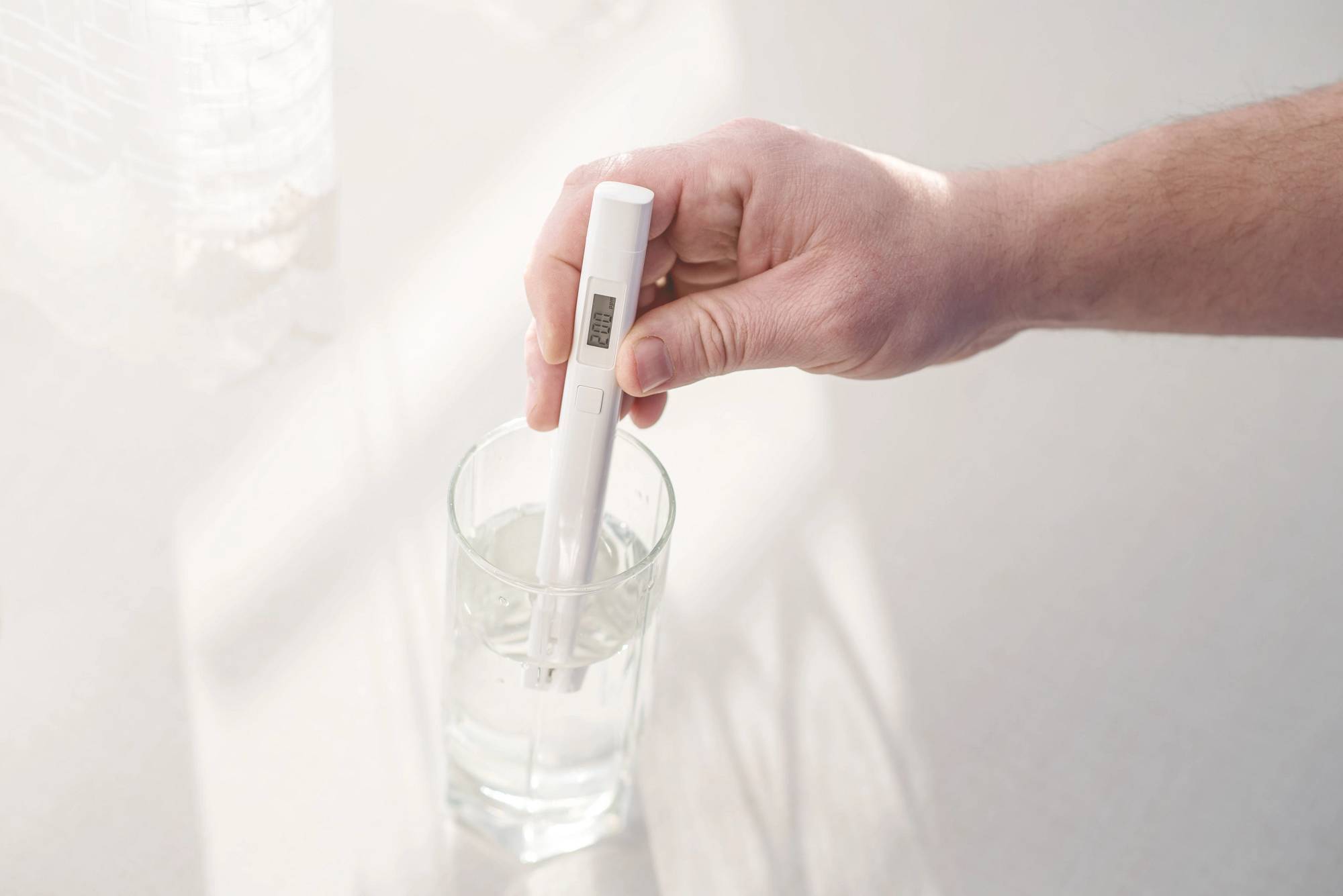
TDS refers to the combined content of all inorganic and organic substances contained in your water, including minerals, salts, and metals. While a high TDS reading doesn’t always signal a health crisis, it is a key indicator of your water’s overall aesthetic quality and mineral balance. High TDS often correlates with hard water issues, which can impact the taste of your coffee, the lather of your soap, and the longevity of your appliances.
5. Lead and Copper
Even if your home was built after the widespread banning of lead piping, the mineral content of your well water can interact with your plumbing fixtures. If your water has a low pH, it can corrode even modern components. Testing for lead and copper is a proactive measure to ensure that your home’s internal delivery system isn’t introducing toxic elements into your glass.
6. Water Hardness
Hard water—characterized by high concentrations of calcium and magnesium—is more than just a nuisance. While it is rarely a health threat, it is a primary driver of limescale, which reduces the lifespan of dishwashers, washing machines, and water heaters. Understanding your hardness levels allows you to decide if a water softener is a necessary investment for your specific home environment.
7. Iron and Manganese
If you have ever noticed rust-colored stains in your sink, bathtub, or on your laundry, you likely have high iron content. Manganese behaves similarly, often leaving black or dark brown residue. Beyond the aesthetic frustration, high levels of these minerals can harbor iron-loving bacteria that produce a “rotten egg” odor. Regular testing for common contaminants helps you determine if a specialized filtration system is needed to clear up your water’s appearance and smell.
8. Sulfate
Sulfate occurs naturally in soil and rock and can sometimes dissolve into groundwater. High levels of sulfate can have a laxative effect on humans and livestock and can also contribute to a distinct metallic or “salty” taste in your water. If you notice a change in the palatability of your water, sulfate levels should be among the first things checked.
9. Chloride
Chloride is found in most water sources, but elevated levels can be an indication of contamination from road salt runoff, fertilizers, or even septic system leakage. While not typically a health hazard at low levels, a spike in chloride can make water taste salty and increase the corrosivity of the water, potentially damaging your plumbing over time.
10. Turbidity
Turbidity measures the cloudiness of your water, caused by particles suspended or dissolved in the water that scatter light. While not always a health risk in itself, high turbidity can interfere with disinfection processes and may indicate that surface water is entering your well. Clear water is generally a good sign, but clarity does not always equate to purity; professional water testing services provide the clarity you need to be certain.
The Importance of Consistent Monitoring
The quality of well water is dynamic. Seasonal changes, heavy rainfall, and even changes in land use around your property can alter the chemistry of your water. Because of this, relying on a test you performed five years ago is essentially like flying blind.
When you develop a routine, you create a historical baseline for your well. If a sudden shift occurs in your water quality, you can compare current results to your past data, which helps in troubleshooting. Is the change a natural fluctuation, or is it a sign that your well maintenance needs urgent attention?
External Resources for Further Learning
To better understand how specific contaminants affect your health, refer to authoritative resources like the EPA’s Private Well guidance, which provides detailed information on national standards and health advisories. Additionally, your local university extension office often provides localized data on the common groundwater issues specific to your region.
Taking Action
If you haven’t tested your water in the last twelve months, consider this your reminder to reach out to a certified lab. You don’t need to be an expert in water chemistry to manage your well effectively. By following these 10 tests and maintaining a proactive relationship with your well system, you ensure that your water remains a safe, healthy, and sustainable resource for your family for years to come.
If you have specific questions about how to interpret your water reports or need guidance on how to find a certified professional in your area, please feel free to contact us for more information. Your peace of mind is the ultimate goal of effective water management.